


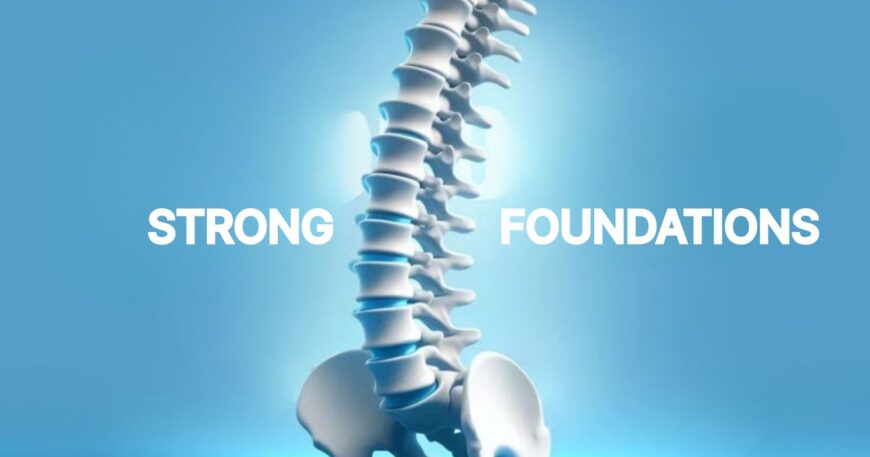
Strong Foundations: Why Bone Health Matters More Than You

It’s easy to take our bones for granted. Until you feel that sharp twinge in your knee joint after climbing stairs, or a dull ache in your shoulder that keeps you from lifting a cup of coffee, bones rarely cross our minds. Yet they are the quiet workhorses holding us upright, cushioning our movements, and protecting the soft tissues that allow us to embrace, play, and live fully.
Whether you’re an athlete chasing peak performance, an elderly parent navigating daily tasks, a patient managing chronic pain, or simply a medically curious individual wanting to understand how your body works, bone health is a topic that deserves attention, care, and compassion.
Bones: The Silent Architects of Every Move
Imagine walking across a park or reaching for a book on a shelf. Every step, every stretch, every lift relies on bones working in harmony with muscles, ligaments, and nerves. Your skeleton, with its 206 bones, forms the scaffolding of your body. It doesn’t just hold you up; it absorbs shock, stores minerals like calcium and phosphorus, and even produces blood cells in the bone marrow.
Think of bones like steel beams in a building. Over time, wear and tear, injuries, or nutritional deficiencies can cause these beams to weaken or crack. The same way a building needs maintenance to remain strong, our bones require consistent care to stay healthy.
For medical professionals, understanding the cellular and structural aspects of bone turnover is vital but for most people, it’s the everyday consequences that matter.
Do you feel stable on your feet?
Can you bend and twist without pain?
These simple measures reflect your bone’s resilience more than any lab report.
When Joints Scream: Understanding Knee and Shoulder Pain
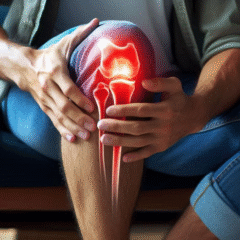
Joint pain is one of the most common signals that something deeper may be happening. The knee joint, one of the largest and most stressed joints in the body, carries the full weight of your frame whenever you stand, walk, or squat. It’s no wonder that many people experience discomfort in the knees as they age or after injuries.
Similarly, shoulder joint pain can creep up silently, affecting simple motions like lifting your arm or turning your neck. Overuse, poor posture, or underlying conditions like arthritis often contribute to these aches.
For many, pain is dismissed as a sign of aging or overexertion. But persistent discomfort is your body’s way of asking for attention. Whether it’s stiffness after waking up or sharp pains after exercise, seeking early evaluation can prevent long-term damage.
A visit to an orthopedic surgeon might be intimidating for some, but it’s often the turning point for treatment. These specialists assess the structural integrity of joints and recommend personalized care, from physiotherapy and lifestyle changes to surgical interventions.
On the other hand, we denounce with righteous indignation and dislike men who are so beguiled and demoralized by the charms of pleasure of the moment, so blinded by desire, that they cannot foresee the pain and trouble that are bound to ensue; and equal blame belongs
From Strain to Surgery: Treatments and Their Impact
Bone health isn’t about avoiding surgery altogether, it’s about knowing when it’s needed and trusting that the path forward is both safe and empowering.
For cases where the knee joint has deteriorated significantly, surgical solutions like total knee replacement or partial knee replacement can restore mobility and reduce pain. A partial knee replacement might be an option when damage is localized, offering quicker recovery and less invasive procedures, while total knee replacement addresses widespread damage and can dramatically improve quality of life.
Surgical interventions today are no longer about just “fixing” a problem. They’re about helping individuals reclaim activities they love walking in the garden, dancing with grandchildren, or simply enjoying a pain-free day.

dr.Deepak kumar arora
Best Orthopedic Surgeon in delhi

Beyond Age: Bone Health for Athletes, Caregivers, and the Curious
Bone health isn’t reserved for the elderly. Athletes, for example, put their bodies through intense stress running, jumping, and lifting in pursuit of peak performance. Without proper nutrition, recovery, and strengthening exercises, they risk stress fractures, ligament tears, and long-term joint damage.
Caregivers supporting aging family members often witness firsthand how a fall or minor injury can spiral into serious health challenges. Simple adjustments like ensuring safe walkways, encouraging stretching routines, or consulting with specialists early can prevent complications.
For those simply curious about wellness, bone health opens the door to understanding how interconnected our bodies are. Nutrition, mental health, sleep, and exercise all contribute to skeletal strength. Even small habits like regular stretching, balanced meals rich in calcium, or sunlight exposure can reinforce bone density over time.
Practical Steps: Everyday Habits That Protect Your Bones
You don’t need to overhaul your life to care for your bones. Small, consistent actions have profound effects.
- Nourish your skeleton.
Calcium, vitamin D, and protein are key players in bone repair and maintenance. Dairy, leafy greens, fish, and fortified foods support bone density. For those with dietary restrictions, supplements under medical supervision can be beneficial. - Move with purpose.
Weight-bearing activities walking, stair climbing, or light strength training stimulate bone growth. Stretching and balance exercises, like yoga or tai chi, improve joint flexibility and reduce fall risk. - Listen to your body.
Pain shouldn’t be ignored. Whether it’s persistent shoulder joint pain or stiffness in the knee joint, addressing symptoms early prevents worsening conditions. - Prioritize sleep and stress management.
Chronic stress releases hormones that can weaken bone structure. Deep breathing, mindfulness, and sufficient sleep aid recovery and repair.