


Why Ignoring That Knee Pain Could Cost You More Than Just Comfort

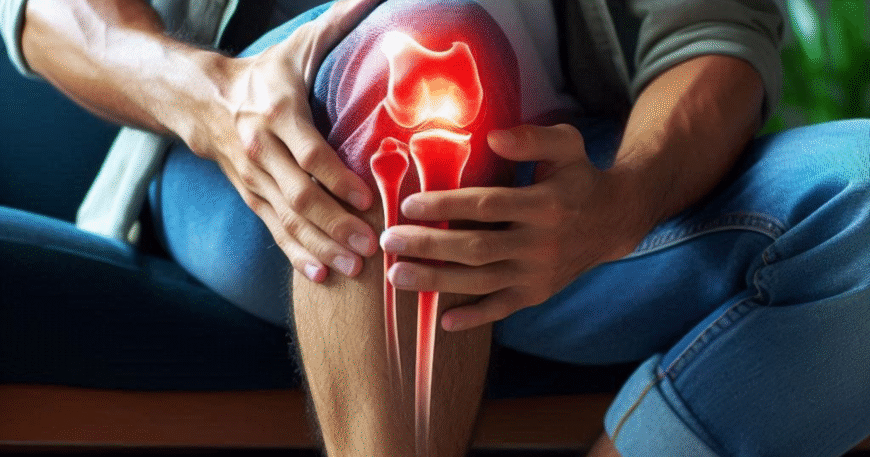
Knee pain may begin as a mild discomfort, something you dismiss as “just an old injury acting up” or “just the stairs killing me again.” But from the vantage point of a medical writer and clinician-observer, I’ll tell you this plainly: ignoring knee pain can cascade into significant structural damage, loss of function and quality of life, and ultimately, may force you into a complex surgical journey such as full knee replacement. If you’re in Delhi or elsewhere and thinking “I’ll wait it out,” here’s what you need to know.
1. The knee joint: more than a hinge
Your knee is more than a simple hinge. The knee joint connects the femur (thigh bone) to the tibia (shin bone) via cartilage, ligaments, menisci, the patella (kneecap) and a capsule of synovium. Small misalignments, over-use, injury or degenerative change upset this complex system. According to the Mayo Clinic, knee pain may stem from cumulative wear and tear or from an acute injury and may lead to joint damage, arthritis and disability if left unchecked.
For example:
- If the cartilage that cushions the ends of bones wears down (as in osteoarthritis) you don’t just feel a “twinge” on stairs you risk losing shock absorption, causing bone-on-bone contact and joint deformity.
- A history of knee pain or past injury raises the likelihood of future injury and early onset degenerative change.
In other words: what starts as discomfort in a joint you depend on for virtually every daily move (walking, squatting, stepping) can silently escalate into structural damage.
2. The cost of doing nothing: hidden risks
When knee pain is ignored, several things may happen often without dramatic symptoms until the damage is significant.
a. Progressive degeneration and arthritis
Chronic knee pain or untreated injury opens the door to degenerative conditions. One review concluded that ignoring a long-term knee injury markedly increases the risk of joint damage and irreversible structural change. The Mayo Clinic similarly notes that some knee conditions lead to increasing pain, joint damage and disability if not addressed.
b. Increased risk of further injury
Pain generally alters how you walk, how you climb stairs, how you pivot. Altered biomechanics plus ligament or meniscus damage raise the risk of further injury. For instance: individuals with knee pain or a past injury were found to be significantly more likely to sustain a new knee injury.
c. Reduced mobility, deconditioning and quality-of-life impact
If you stop using the joint fully because of pain, you lose muscle strength (especially quadriceps and hamstrings), flexibility sets in, and joint stiffness increases. You may avoid activities you once enjoyed. That means not just “less comfort” but reduced function: fewer stairs climbed, more time seated, more sedentary living which opens up cardiovascular, metabolic and other health risks.
d. Potentially more complex surgery
By the time you consider a major reconstructive surgery (such as full knee replacement), the joint may be more damaged, alignment may have shifted, bone quality may have declined, surrounding tissues (ligaments, muscles) may be weaker. It’s far better to treat or monitor earlier. In fact, in cases of knee pain left unattended, the eventual surgical procedure may become more complicated with higher risk.
On the other hand, we denounce with righteous indignation and dislike men who are so beguiled and demoralized by the charms of pleasure of the moment, so blinded by desire, that they cannot foresee the pain and trouble that are bound to ensue; and equal blame belongs
3. When surgery becomes the option: full knee replacement
At some stage, if degeneration is advanced and pain or dysfunction cannot be managed by non-surgical means, a surgeon may recommend a knee replacement surgery (often a total or full knee replacement). This is a major decision but one that, in many cases, restores function, relieves pain and helps a person return to meaningful activity.
Here’s how to think about it:
- “Full knee replacement surgery” typically means a total knee arthroplasty, where the damaged surfaces of the joint are replaced with metal and plastic components.
- In Delhi and other urban centres, patients often seek out the “best orthopedic surgeon in Delhi” (we’ll return to that phrase later) for this kind of decision because outcomes depend significantly on surgical expertise, pre-operative planning, post-operative rehabilitation and implant alignment.
Advantages of getting appropriate surgery at the right time:
- Pain relief and improved mobility.
- Better quality of life: return to walking, stair-climbing, social activity.
- Avoidance of secondary damage (for example, to the opposite knee because of over-compensation, or to hips and spine because of altered gait).
- Less likelihood of revision surgery (if the initial replacement is done well).
However, delaying too long can increase risk. Joint alignment may be worse, bone quality weaker, surrounding tissues more compromised—all of which may affect the outcome.
One of the major advances in joint surgery is the rise of robot-assisted surgery. The phrase “robotic knee replacement” is now a prominent keyword for patients and surgeons alike, and for good reason.

dr.Deepak kumar arora
Best Orthopedic Surgeon in delhi

What is robotic-assisted knee replacement?
It means that during a knee replacement procedure, a robotic arm or navigation system assists the surgeon to plan and execute bone cuts, alignment of the implants and balancing of soft tissues with higher precision than many conventional methods. Pre-operative imaging (CT, MRI) is often used to build a 3-D model of your anatomy, which guides the robot intra-operatively
What are the benefits?
- Enhanced accuracy in implant placement and joint alignment. Numerous studies show robotic systems help reduce outliers in component alignment compared with manual surgery.
- Less tissue damage, smaller incisions in some cases, faster early recovery.
- Potential for better long-term outcomes due to optimized biomechanics and implant longevity. For example, a recent study noted robotic total knee replacements had better average outcomes, but also higher cost.
What to bear in mind?
- Robotic surgery isn’t suitable for every patient or every knee. The surgeon must judge whether your anatomy, bone quality and condition are appropriate.
- Higher cost can be a factor (though cost must be weighed against long-term benefit)
- The skill of the surgeon remains critical: technology helps but it doesn’t replace expertise.
4. How to apply this to your situation
If you’re reading this and thinking “should I wait because it’s only minor pain,” here are steps you can take and why finding the right specialist matters.
Step 1: Get your knee evaluated early
Even if the pain is mild, make an appointment with a senior orthopaedic surgeon. Mention that you are looking for what might be considered among the best orthopedic surgeon in Delhi who has experience with knee joint preservation and replacement surgery. Early imaging (X-ray, MRI) and assessment of alignment, cartilage status, ligament/meniscus condition can help you decide what needs monitoring or treatment now.
Step 2: Conservative management while you evaluate
Before jumping to surgery, depending on the diagnosis, non-surgical interventions may help significantly:
- Physical therapy to strengthen surrounding muscles (especially quads, hamstrings, gluteals) and improve joint control.
- Weight management: every extra kilogram adds load across the knee joint, accelerating cartilage wear.
- Activity modification: avoid repetitive overload (for example heavy squatting, deep lunges, high-impact sports) if they provoke pain.
- Injections or bracing, if indicated by your orthopaedic team.
Step 3: Know when surgery becomes appropriate
You may get to a point where non-surgical measures are no longer enough, and the orthopaedic specialist may talk about a “full knee replacement surgery” (total knee arthroplasty) or a variant of it. In Delhi, many patients ask specifically about “robotic knee replacement” because of the promise of optimized outcomes.
At that stage, your decision-making variables should include:
- The reputation and experience of the surgeon (and the hospital) in knee replacements.
- Availability of robotic-assisted technology, if recommended.
- Post-operative rehabilitation plan (crucial for the long-term success of the knee joint).
- The total cost and the long-term implications (including implant longevity, possibility of revision).
- Your own health status (comorbidities like diabetes, bone quality, overall fitness) that can influence outcomes.
Step 4: Long-term outlook and prevention
Even if you decide to have surgery (or not), adopting a long-term preventive mindset is key:
- Maintain muscle strength around the knee.
- Keep your weight within healthy limits.
- Use proper footwear and avoid large knee loads when possible.
- Watch for early signs: stiffness, swelling, changes in gait, recurrent episodes of “giving way” or instability.
Regular monitoring if you have known joint damage even if it’s silent now.
5. Final word
Knee pain is easy to rationalize away especially when you’re busy, want to stay active, or are used to “feeling” parts of your body ache. But that ache is a signal. The longer you wait, the more likely that your knee joint is undergoing changes you may not feel yet, but later you will.
Let me put it this way: treating knee pain early is an investment in mobility, independence and life-quality. On the flip side, ignoring it can cost you far more than discomfort it may cost your freedom to move, the ability to stay active, and ultimately require you to undergo “full knee replacement surgery” when you might have had more options earlier.
So if you have persistent knee pain don’t wait till stairs become a challenge or pain becomes disabling. Make that appointment with an experienced orthopaedic surgeon. Ask about your knee joint, ask about long-term options.
Your future self will thank you.